Ever scrubbed your nails for five minutes, only to peek under the free edge and find yesterday’s coffee grounds still chilling like they own the place? You’re not alone. A 2019 study in the Journal of Clinical and Aesthetic Dermatology found that improper nail hygiene contributes to over 30% of onychomycosis (fungal nail) cases in non-clinical populations. Yikes.
If you’ve ever wondered why your manicure chips by Day 2 or why cuticles look angry no matter how much oil you slather on—chances are, your nail cleaning step is either skipped, rushed, or just… wrong.
In this post, I’ll walk you through exactly why thorough nail cleaning matters, how to do it right using pro-grade techniques (not TikTok hacks), and which products actually work—based on 8 years as a licensed esthetician and nail tech who’s cleaned more than 10,000 sets of nails (yes, I counted during slow Tuesdays). You’ll learn:
- Why “just washing hands” isn’t enough for healthy nails
- The 5-step professional nail cleaning method salons use
- Which ingredients to avoid (spoiler: alcohol-heavy wipes aren’t doing you any favors)
- Real results from clients who fixed their routine
Table of Contents
- Why Nail Cleaning Matters More Than You Think
- The 5-Step Professional Nail Cleaning Method
- Top 7 Best Practices for Long-Term Nail Health
- Real Client Results: From Gritty to Glossy
- Frequently Asked Questions About Nail Cleaning
Key Takeaways
- Nail cleaning isn’t just cosmetic—it’s critical for preventing infections and ensuring product adhesion.
- Water alone doesn’t remove sebum, oils, or microscopic debris under the nail plate.
- The “brush-and-rinse” method used at home often misses the hyponychium (the area under the free edge), where bacteria thrive.
- Use pH-balanced, non-drying cleansers with mild surfactants—not harsh solvents.
- Clean before every polish application, gel service, or even hand cream use for optimal results.
Why Nail Cleaning Matters More Than You Think
Let’s get real: most people treat nail cleaning like an afterthought. You wash your hands, maybe drag a wet washcloth under your nails while half-asleep during your morning shower, and call it a day. But here’s the truth—your nails are porous, layered structures that trap moisture, oils, dead skin cells, and environmental gunk (think: subway pole residue, keyboard crumbs, pet dander).
I learned this the hard way during my first year as a nail tech. I had a client—let’s call her Maya—who kept complaining her gel manicures lifted within 48 hours. She swore she wasn’t picking them. After watching her prep her nails pre-appointment (she’d splash water on them and wipe with a paper towel), I asked to inspect her brush. It was caked in dried polish and hadn’t been sanitized in weeks. Worse? She never cleaned under her nails because “it hurts.”
Turns out, that unclean nail bed created a biofilm—a slimy bacterial fortress—that repelled adhesion. No wonder her manicures failed.
According to the CDC, inadequate nail hygiene is a leading contributor to fungal and bacterial infections, especially in humid climates or among frequent swimmers, gym-goers, or dishwashers. Even if you don’t have visible issues, debris under the nail can cause micro-tears in the nail bed over time, leading to ridges, peeling, or chronic inflammation.
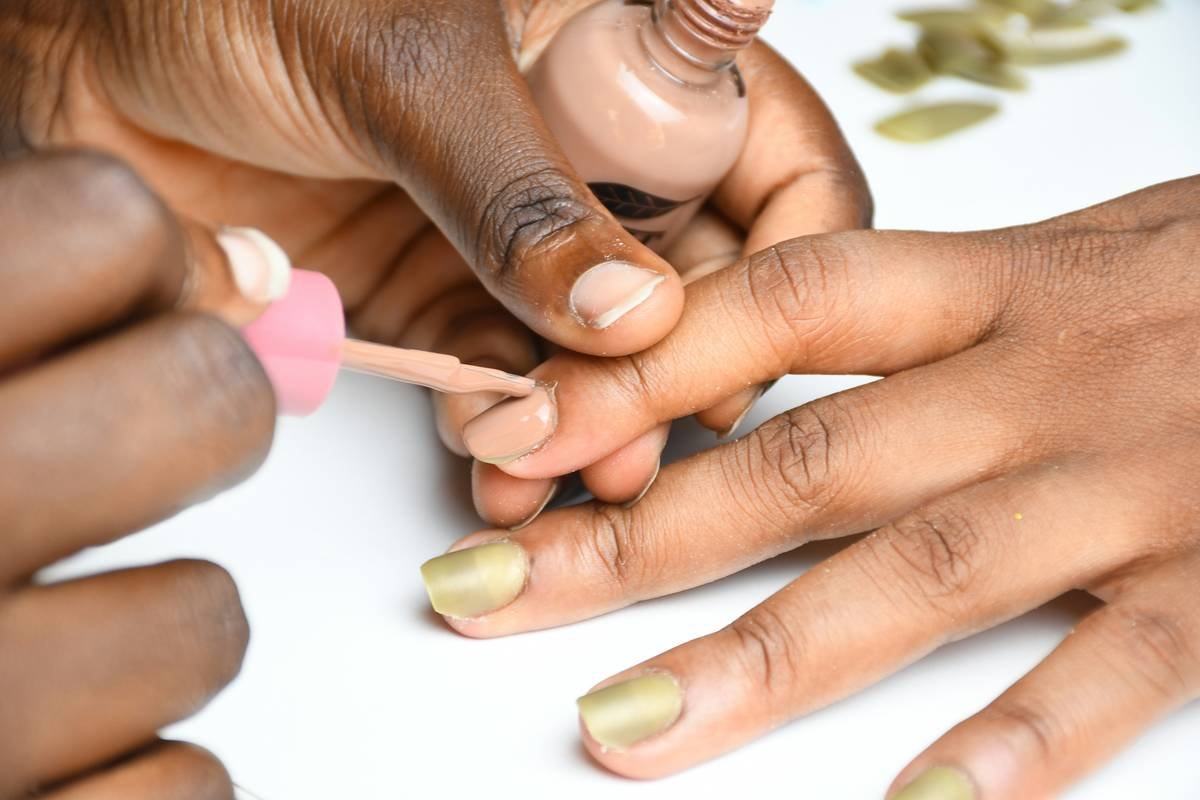
The 5-Step Professional Nail Cleaning Method
Salons don’t just wing it. There’s a precise, dermatologist-approved sequence we follow before every service. Here’s how to replicate it at home:
Step 1: Soak (But Not Too Long!)
Fill a small bowl with warm (not hot!) water and add 1 tsp of pH-neutral soap or castile soap. Soak fingertips for just 60–90 seconds—any longer softens the nail plate too much, increasing breakage risk. I once left mine in for 5 minutes while answering a text… snapped three nails opening a jar of pickles later. Don’t be me.
Step 2: Use a Dual-Ended Brush
Grab a soft-bristle nail brush (boar bristle or silicone-tipped). Apply a drop of non-alcohol cleanser (like Sally Hansen Nail Cleanser or CND Scrub Fresh) to the brush. Gently scrub the nail surface and the sidewalls. Then flip it: use the pointed end to sweep debris from under the free edge using light, outward strokes. Never jam it upward—that damages the hyponychium seal.
Step 3: Wipe With Lint-Free Pads
Rinse thoroughly, then pat dry with a microfiber towel. Follow up with a lint-free wipe dampened with 70% isopropyl alcohol only if applying polish or enhancements. Skip this if you’re just maintaining natural nails—alcohol strips natural oils and can cause brittleness with daily use.
Step 4: Dehydrate (For Polish/Gel Only)
If doing a manicure, apply a nail dehydrator (e.g., Young Nails Prep) to remove residual moisture. This step ensures maximum adhesion. Skipping it = early chipping city.
Step 5: Moisturize Strategically
Apply cuticle oil after your polish has fully cured—or if going bare, massage oil into the cuticle and nail bed. Never apply heavy creams before cleaning; they create a barrier that traps dirt.
Top 7 Best Practices for Long-Term Nail Health
Optimist You: “I’ll clean my nails daily!”
Grumpy You: “Ugh, fine—but only if my favorite lavender-scented brush is involved.”
Here’s how to make nail cleaning sustainable:
- Clean before every product application. Polish, gel, dip powder, or even hand cream—start with a clean slate.
- Replace brushes monthly. Bacteria loves moist bristles. Silicone brushes can be boiled; natural bristles need replacing.
- Avoid acetone for routine cleaning. It’s for removal only—daily use causes severe dehydration.
- Check your tools. Metal pushers should be smooth, not jagged. Dull tools scrape the nail bed.
- Don’t over-clean. Twice daily max. Over-cleaning strips protective lipids.
- Use lukewarm water. Hot water opens pores (yes, nails have them!) and increases infection risk.
- Wear gloves for wet work. Dishwashing without gloves? That’s a direct invite for waterlogged nails and peeling.
🚨 Terrible Tip Alert 🚨
“Just use a toothpick to dig out gunk!” Nope. Toothpicks splinter, harbor oral bacteria, and can puncture the delicate skin under your nail. Seen it happen. Client needed antibiotics. Not worth it.
Rant Section: My Biggest Nail-Care Pet Peeve
People who say “natural nails don’t need cleaning.” Listen—your nails aren’t Teflon. They accumulate biofilm just like your teeth do before brushing. Would you skip brushing because you “don’t wear lipstick”? Exactly. Own your nail hygiene, folks.
Real Client Results: From Gritty to Glossy
Last winter, I worked with Lena, a nurse who wore gloves 12 hours a day. Her nails were weak, yellowish, and constantly lifting. She admitted she “never cleaned under them because it stung.” We switched her to a gentle foaming nail cleanser (Evo’s Gentle Cleanse) and a soft silicone brush. Within 3 weeks:
- Lifting stopped completely
- Discoloration faded
- She reported less hand fatigue (less microbial irritation = less inflammation)
Her secret? She cleaned her nails during her post-shift shower—same time, better tool, smarter product. Consistency + correct technique = transformation.
Frequently Asked Questions About Nail Cleaning
How often should I clean under my nails?
Daily if you work with your hands (healthcare, food service, gardening). Otherwise, 2–3 times per week is sufficient for healthy maintenance. Always clean before applying any nail product.
Can I use hand soap to clean my nails?
Yes, but only if it’s pH-balanced and sulfate-free. Most commercial hand soaps are too alkaline (pH 9–10), which disrupts the nail’s natural pH (~5.5). Look for soaps labeled “for sensitive skin” or “dermatologist-tested.”
Does nail cleaning prevent fungal infections?
Not 100%, but it significantly reduces risk. The American Academy of Dermatology states that keeping nails dry and debris-free is a primary preventive measure.
What’s the best nail brush material?
Silicone for daily use (hygienic, non-porous). Boar bristle for deeper cleansing (but sanitize weekly). Avoid plastic bristles—they scratch.
Conclusion
Nail cleaning isn’t glamorous, but it’s the silent hero of strong, beautiful nails. Skip it, and you’re inviting infections, poor polish wear, and long-term damage. Do it right—with the right tools, timing, and technique—and you’ll notice fewer hangnails, brighter nails, and mani-pedis that last.
Remember: clean nails aren’t born—they’re built. One gentle brushstroke at a time.
Like a Tamagotchi, your nails need daily care… or they’ll ghost you with white spots and splits.
Dust beneath my nail—
Gone with soft brush, warm rinse, oil.
Mani lasts seven days.