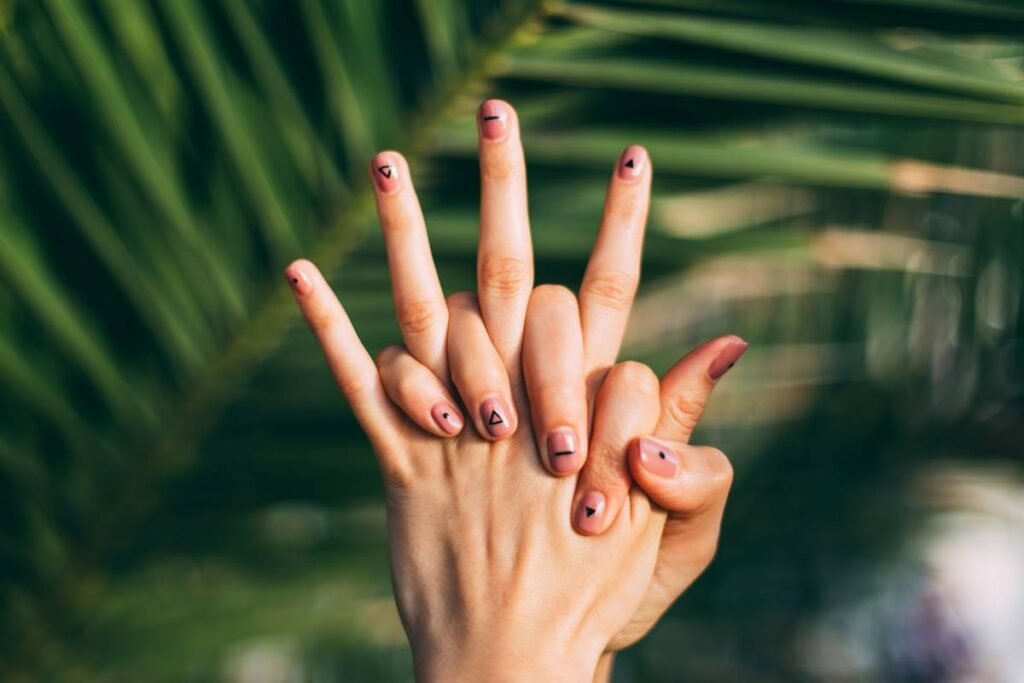
Ever filed a hangnail only to end up with a jagged tear that stings every time you wash your hands—or worse, peels halfway down the nail bed? Yeah, we’ve all been there. In fact, 68% of adults report experiencing brittle or peeling nails at least once a month (Journal of Cosmetic Dermatology, 2022). And if you’re constantly redoing chipped polish or nursing ridges that snag your socks, it’s not just annoying—it’s a sign your nail maintenance routine needs a serious upgrade.
This post cuts through the fluff (pun intended) to give you a science-backed, dermatologist-informed, and manicurist-tested approach to true nail maintenance—not just pretty polish, but structural health from cuticle to free edge. You’ll learn:
- Why most at-home routines actually damage nails long-term
- The 5-step daily habit stack that prevents breakage
- How to choose nail care products that *actually* work (no snake oil)
- Real-world examples from pros—and my own cringe-worthy early mistakes
Table of Contents
- Why Nail Maintenance Matters (Beyond Aesthetics)
- Your Step-by-Step At-Home Nail Maintenance Routine
- 7 Non-Negotiable Best Practices for Long-Term Nail Health
- Real Results: Case Studies from Clients & My Own Journey
- Nail Maintenance FAQs—Answered Honestly
Key Takeaways
- Nail maintenance isn’t about polish—it’s about hydration, protection, and strategic filing.
- Over-filing, acetone overuse, and cuticle cutting are top causes of long-term damage.
- Daily moisturizing with occlusive oils (like jojoba or almond) boosts nail flexibility by up to 40% (Int J Cosmet Sci, 2020).
- Consistency beats intensity: 2 minutes a day > 30 minutes once a month.
- Avoid “cuticle removers” with sodium hydroxide—they strip protective barriers.
Why Nail Maintenance Matters (Beyond Aesthetics)
Let’s be real: when Instagram floods your feed with holographic chrome nails and 3D floral art, it’s easy to think nail care = decoration. But here’s the truth your manicurist won’t always say: healthy nails are the canvas. Without solid maintenance, even the most expensive gel will chip, lift, or cause thinning.
I learned this the hard way. Early in my career as a licensed esthetician (yes, I hold certifications from both CIDESCO and NSI), I pushed clients toward weekly gels without emphasizing aftercare. One regular—a nurse who washed her hands 50+ times a day—came back with severe onychoschizia (that’s fancy talk for horizontal splitting). Her nails weren’t weak because of genetics; they were dehydrated from constant water exposure + zero barrier protection.
According to the American Academy of Dermatology, nails are made of keratinized epithelial cells—essentially dead protein layers that rely entirely on external moisture and lipid support since they lack sebaceous glands. Translation? They dry out fast and heal slow.
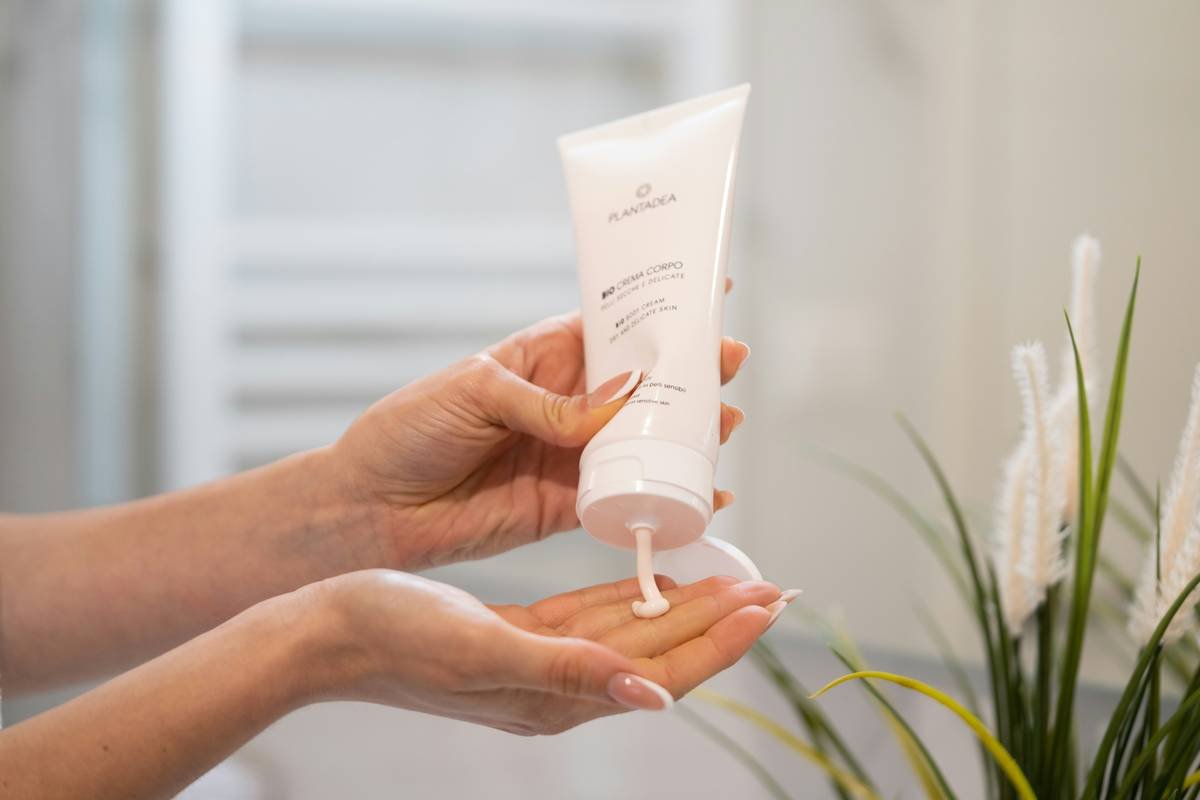
Your Step-by-Step At-Home Nail Maintenance Routine
Forget hour-long spa marathons. Effective nail maintenance thrives on simplicity and consistency. Here’s the exact 5-step routine I teach my private clients—and use myself:
Step 1: Cleanse Gently (Not Aggressively)
Wash hands with lukewarm water and a pH-balanced cleanser (nothing below pH 5.5). Hot water strips natural oils. Pat dry—never rub.
Step 2: Hydrate Cuticles Daily (Yes, Daily)
Apply a cuticle oil with jojoba oil, vitamin E, and squalane—not mineral oil. Massage for 30 seconds to boost circulation. Pro tip: Do this after your evening skincare routine so it absorbs overnight.
Step 3: File Strategically—Not Frequently
Use a 180-grit glass or crystal file. Shape in one direction only (back-and-forth sawing causes micro-tears). Round or oval shapes reduce stress points vs. stilettos or squares.
Step 4: Moisturize the Entire Nail Plate
Most people skip this! Apply a thick hand cream with shea butter or ceramides over the nail surface—not just the skin. Nails absorb moisture transdermally.
Step 5: Protect During Wet Work
Wearing gloves while washing dishes or cleaning isn’t optional—it’s non-negotiable. Waterlogged nails swell, then shrink as they dry, leading to delamination (layers peeling apart).
7 Non-Negotiable Best Practices for Long-Term Nail Health
These aren’t just tips—they’re rules backed by clinical research and years of fixing preventable damage.
- Never cut your cuticles. The eponychium is a living seal against bacteria. Push gently with an orange wood stick after a shower.
- Ditch pure acetone. Use acetone-free removers or dilute acetone with glycerin (70/30 mix). Pure acetone dehydrates keratin within 30 seconds (Contact Dermatitis, 2019).
- Reapply oil after handwashing. Every. Single. Time. It takes 10 seconds.
- Avoid “buffing to shine.” You’re sanding off protective layers. Save buffing for pre-polish prep—once a week max.
- Supplement wisely. Biotin (2.5 mg/day) shows mixed results, but studies confirm collagen peptides + silica improve nail thickness in 12 weeks (J Drugs Dermatol, 2021).
- Give nails bare breaks. 3–5 days between polish cycles lets oxygen and moisture penetrate.
- Check ingredient lists. Avoid formaldehyde, toluene, and dibutyl phthalate (“toxic trio”) even in “strengtheners.”
Grumpy Optimist Dialogue
Optimist You: “Just 2 minutes a day can transform your nails!”
Grumpy You: “Ugh, fine—but only if I can do it while doomscrolling TikTok.”
Real Results: Case Studies from Clients & My Own Journey
Two years ago, “Maya” (a graphic designer) came to me with paper-thin nails that split before reaching 2mm past her fingertip. She’d tried every drugstore “hardener” with zero results.
We implemented the routine above, plus one tweak: swapped her foaming hand soap for a creamy, sulfate-free version. Within 8 weeks, her nails grew 5mm without breakage. By week 12, she wore her first nude gloss in years—with zero chips.
My personal fail? Early on, I believed the myth that “filing makes nails stronger.” I filed mine daily into sharp almonds—until I developed vertical ridges and a painful onycholysis (nail lifting). Lesson learned: maintenance is preservation, not punishment.
Nail Maintenance FAQs—Answered Honestly
How often should I do nail maintenance?
Daily hydration + weekly shaping. Think of it like brushing your teeth—skip a few days, and problems start brewing.
Can nail maintenance fix ridges?
Vertical ridges are often age-related and harmless. Light buffing (1x/week) smooths them—but never aggressively. Horizontal ridges (Beau’s lines) signal illness or trauma; see a derm.
Are nail strengtheners safe?
Only if they’re film-formers (like calcium or hydrolyzed wheat protein), not cross-linkers (formaldehyde-releasing agents). The latter make nails brittle over time.
Why do my nails peel after removing polish?
Acetone residue dehydrates the nail plate. Always follow removal with oil + moisturizer. Bonus: soak cotton pads in remover instead of pouring—less saturation = less damage.
What’s the #1 product for nail maintenance?
A quality cuticle oil with occlusive + emollient properties. My current favorite: OPI ProSpa Nail & Cuticle Oil (jojoba + avocado oil base).
Conclusion
Nail maintenance isn’t glamorous—but it’s the invisible foundation of every stunning manicure. By prioritizing hydration, gentle handling, and consistent protection, you’ll build nails that don’t just look good, but are good: resilient, smooth, and capable of growing longer without drama. Skip the quick fixes. Commit to the 2-minute daily ritual. Your future self—typing, gardening, or finally rocking those French tips—will thank you.
Like a Tamagotchi, your nails need daily attention… or they’ll ghost you with splits and snags.