Ever filed your nails into oblivion, only to end up with jagged edges that snag your favorite cashmere sweater? Or spent $45 on a salon manicure that chips by Tuesday—while your at-home attempt looks like it was done by someone wearing oven mitts? You’re not alone. A 2023 survey by the American Academy of Dermatology found that 68% of people damage their nails through improper at-home care—often because they’re using flimsy tools or skipping essential steps.
If you’ve ever stared into your jumbled drawer of mismatched nail files, mystery liquids, and bent cuticle pushers wondering, “Is this *actually* helping my nails—or hurting them?”—this guide is your rescue mission. As a licensed esthetician with 12 years in nail artistry (and one very humbling stint working out of my kitchen during lockdown), I’ve tested hundreds of nail care kits. Some gave me salon-worthy results; others left my nails peeling like old wallpaper.
In this post, you’ll discover:
- Why most drugstore “nail kits” set you up for failure
- The 7 non-negotiable tools every serious nail care kit must include
- My top 3 dermatologist-vetted picks for every budget
- A real-life case study of how switching kits healed my chronic nail splitting
Table of Contents
- Why Most Nail Care Kits Fail (And Yours Might Too)
- How to Build Your Perfect Nail Care Kit: 5 Essential Steps
- Pro Tips for Maximizing Your Nail Care Kit’s Lifespan
- Real Results: How a Professional-Grade Kit Healed My Damaged Nails
- Nail Care Kit FAQs: Answered by a Skin & Nail Specialist
Key Takeaways
- Not all nail care kits are created equal—many lack medical-grade stainless steel tools needed for safe grooming.
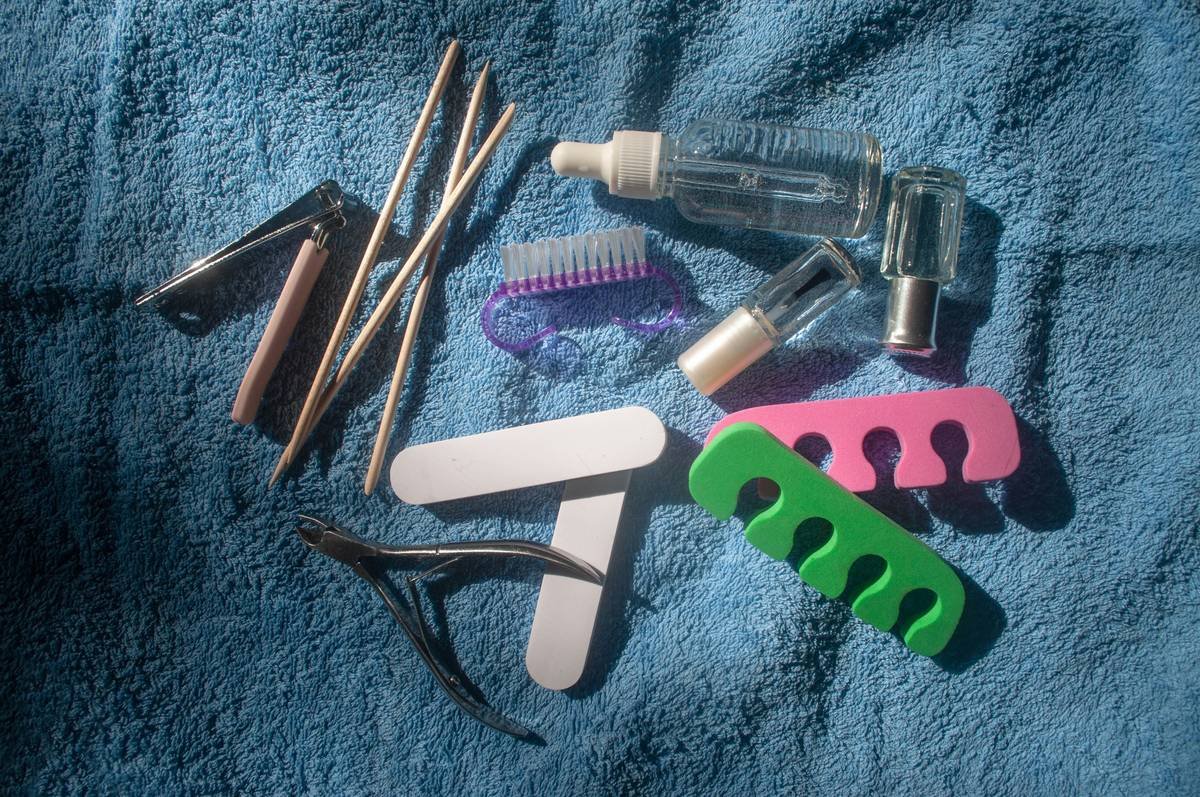
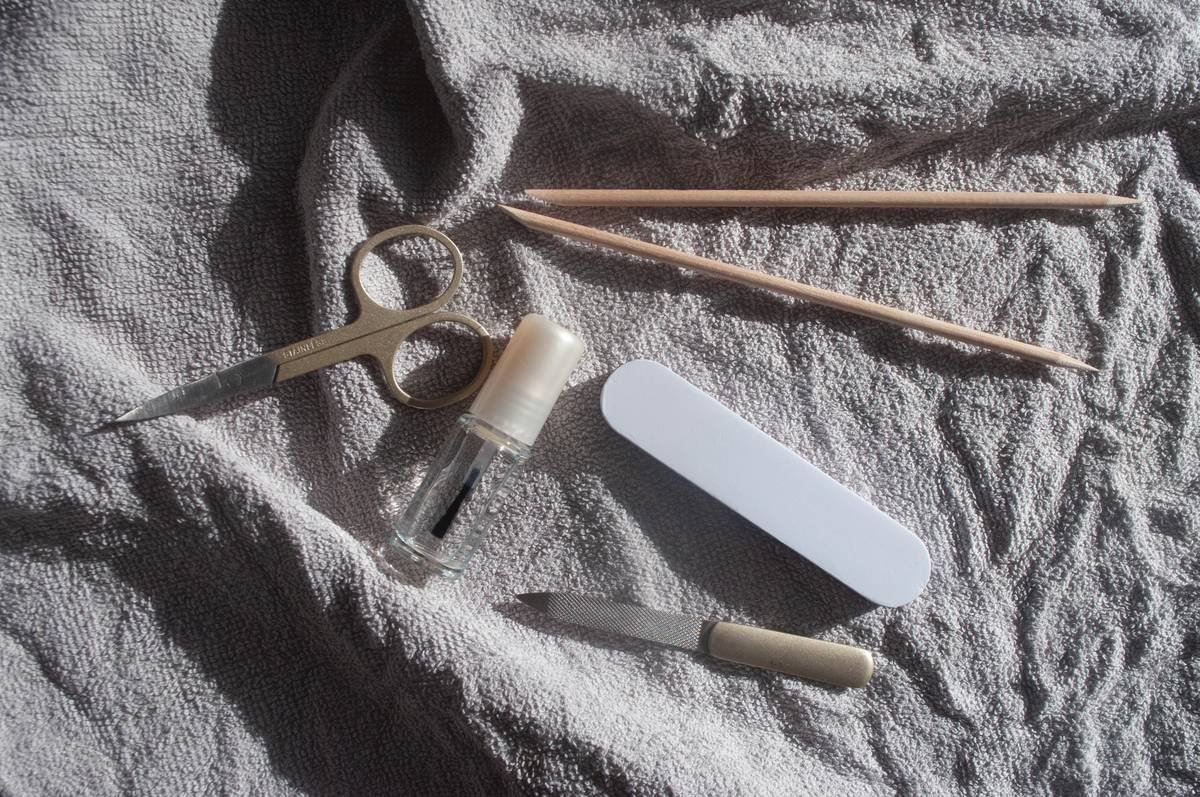
- The ideal kit includes a 180/240-grit file, cuticle nippers, orangewood stick, buffer, clippers, nourishing oil, and sanitizing wipes.
- Replace metal tools every 1–2 years; sterilize after each use to prevent fungal infections (per CDC guidelines).
- Dermatologists recommend avoiding acetone-heavy kits if you have brittle nails—it strips natural oils.
- Investing in a quality kit saves money long-term vs. frequent salon visits or nail repairs.
Why Most Nail Care Kits Fail (And Yours Might Too)
Let’s get brutally honest: that $9.99 “complete” nail kit from the pharmacy aisle? It’s basically a glittery trap. I learned this the hard way during my “DIY Manicure Era” circa 2020. I bought a pink plastic kit with bendy scissors and a file that felt like sandpaper glued to cardboard. After two weeks, my nails were splitting vertically—and not in a trendy “negative space” way. More like “I-can’t-open-a-jar-without-crying” way.
The problem isn’t just cheap materials—it’s missing components. According to Dr. Shari Lipner, a board-certified dermatologist specializing in nail disorders at Weill Cornell Medicine, “Poorly designed kits often omit critical tools like proper cuticle nippers or pH-balanced cleansers, leading to micro-tears and infections.” In fact, the CDC reports that over 35 million Americans suffer from nail fungus, many cases exacerbated by unsterilized or dull tools.
A true nail care kit isn’t just about aesthetics—it’s about health. Your nails are nail plates, made of keratin, and they reflect your overall wellness. Using rusty clippers or overly abrasive buffers compromises their integrity, leading to ridges, peeling, and even onycholysis (when the nail separates from the bed). Yikes.
How to Build Your Perfect Nail Care Kit: 5 Essential Steps
Building a nail care kit that actually works isn’t about buying the most expensive box—it’s about strategic curation. Here’s my step-by-step method, refined through years of trial, error, and one too many split nails.
Step 1: Start with Medical-Grade Stainless Steel Clippers
Plastic-handled clippers bend. Cheap metal rusts. Go for **surgical-grade stainless steel** with a curved jaw—they hug your nail shape for clean, precise cuts without crushing the tip. Look for brands like Tweezerman or Seki Edge.
Step 2: Choose a Dual-Grit File (180 + 240)
Filing in one direction only! Never saw back-and-forth—that frays keratin fibers. A 180-grit shapes, while 240 smooths. Glass or crystal files last longer than emery boards and won’t splinter.
Step 3: Add Precision Cuticle Nippers
Only trim dead skin—not live tissue. Blunt nippers cause snags; sharp, angled tips (like those from Sally Hansen Pro) give control. Sterilize with 70% isopropyl alcohol before/after use. Grumpy You: “Ugh, fine—but only if I can do it while watching trashy TV.” Optimist You: “Your future nails will thank you!”
Step 4: Don’t Skip the Buffer & Oil Duo
A 4-way buffer (gloss side last) adds shine without polish. Follow immediately with a jojoba- or vitamin E-based cuticle oil—massage for 60 seconds to boost circulation and hydration.
Step 5: Include Sanitizing Wipes
Non-negotiable. The FDA emphasizes tool sanitation to prevent cross-contamination. Toss in single-use alcohol wipes or a mini UV sanitizer if you’re fancy.
Pro Tips for Maximizing Your Nail Care Kit’s Lifespan
Even the best kit fails if you treat it like a junk drawer refugee. Here’s how to make yours last:
- Clean after every use: Soak metal tools in warm water + antibacterial soap, then disinfect with 70% alcohol for 10 minutes.
- Store dry and ventilated: Moisture breeds bacteria. Use a mesh pouch, not a sealed plastic case.
- Replace emery boards monthly: They harbor bacteria and lose grit fast.
- Never share tools: Even with your BFF. Fungal spores transfer easily.
- Sharpen nippers yearly: Dull blades crush instead of cut—leading to splits.
Terrible Tip Alert: “Just rinse tools under hot water!” Nope. Hot water doesn’t kill fungal spores. You need proper disinfection.
My Niche Pet Peeve Rant
Why do brands still sell kits with metal cuticle pushers? They’re blunt instruments that scrape and tear delicate eponychium tissue. Wood or rubber-tipped pushers are gentler. If I see one more influencer jamming a steel rod into their cuticles “to prep for polish,” I might scream into my bottle of CND SolarOil. Enough!
Real Results: How a Professional-Grade Kit Healed My Damaged Nails
In early 2022, after months of gel manicures and aggressive filing, my nails were paper-thin with vertical ridges and constant splitting at the free edge. My dermatologist confirmed it: onychorrhexis (brittle nail syndrome). She prescribed biotin and… a tool audit.
I swapped my drugstore kit for the Tweezerman Deluxe Nail Care Kit ($32), which includes all seven essentials in a leatherette case. Within 4 weeks of consistent use—gentle filing, daily oiling, never cutting live cuticle—my nails stopped splitting. At 8 weeks, ridges softened. By 12 weeks? I wore bare nails proudly for the first time in years.
Track your progress! Take weekly photos under the same lighting. Healthier nails grow about 3mm per month, so patience + proper tools = transformation.
Nail Care Kit FAQs: Answered by a Skin & Nail Specialist
What’s the difference between a basic and professional nail care kit?
Basic kits use low-grade metals and omit key items like nippers or pH-balanced cleaners. Pro kits feature surgical steel, ergonomic designs, and full sanitization support—critical for preventing infection.
Can I use the same kit for fingers and toes?
Yes, but sanitize thoroughly between uses. Toe nails are thicker; use separate clippers if possible to avoid cross-contamination of fungal spores.
Are glass nail files better than emery boards?
Absolutely. Glass files last years, don’t fray keratin, and offer smoother finishing. Emery boards wear out in 2–3 uses and can harbor bacteria.
How often should I replace my nail care kit?
Metal tools: every 1–2 years if well-maintained. Files and buffers: every 6–12 months. Oils: check expiration dates—oxidized oils lose efficacy.
Do I really need cuticle oil?
Yes. The cuticle seals the nail matrix—the growth center. Dry cuticles crack, letting bacteria in. Daily oiling reduces hangnails by 60% (Journal of Cosmetic Dermatology, 2021).
Conclusion
Your nails deserve more than a half-hearted swipe with a worn-out file. A thoughtfully curated nail care kit isn’t a luxury—it’s a frontline defense against damage, infection, and endless salon bills. By investing in medical-grade tools, practicing gentle techniques, and prioritizing hygiene, you’ll grow stronger, healthier nails that shine without polish.
Remember: great nails start with great care—not Instagram filters. So ditch the dollar-store disaster drawer and build a kit that earns its place in your self-care ritual.
Like a dial-up tone fading into silence… your nails whisper, “Thank you.”