Ever filed down a hangnail only to watch three more pop up like unwelcome party crashers? Or spent $45 on a gel manicure—only to peel it off in despair after 72 hours because your cuticles looked drier than Sahara dust? You’re not alone. In fact, over 68% of women report chronic nail brittleness according to a 2023 survey by the American Academy of Dermatology—yet most are using the wrong products (or none at all) to fix it.
If you’ve been Googling “how to stop peeling nails” or “best oil for cuticles,” you’ve probably landed on lists packed with vague advice like “moisturize more.” But here’s the truth: not all oils are created equal. And if you’re slathering on random kitchen staples thinking they’ll work magic, you might be doing more harm than good.
In this post, you’ll learn exactly why nail maintenance oil is your secret weapon for strong, hydrated, salon-worthy nails—even if you’re typing all day, washing dishes without gloves, or biting your nails when Netflix drops a mid-season finale cliffhanger. We’ll break down:
- Why traditional lotions fail your nails (and what actually penetrates the nail plate)
- How to choose—and apply—a true nail maintenance oil (not just “cuticle oil” in disguise)
- Real results from switching to a targeted routine (plus which ingredients dermatologists swear by)
Table of Contents
- Why Do Nails Split? It’s Not Just Water Exposure
- How to Use Nail Maintenance Oil Like a Pro
- 5 Best Practices for Maximum Hydration & Strength
- Real Results: From Peeling Nightmare to Glass-Like Nails
- FAQs About Nail Maintenance Oil
Key Takeaways
- Nail maintenance oil ≠ cuticle oil—it targets the entire nail unit, including the nail plate and hyponychium.
- Jojoba, squalane, and vitamin E are clinically proven to improve nail flexibility and reduce splitting (Journal of Cosmetic Dermatology, 2021).
- Apply oil twice daily—especially after handwashing—for visible improvement in 2–3 weeks.
- Avoid mineral oil-heavy formulas; they sit on the surface and don’t penetrate.
- Pair oil use with gloves during wet work for long-term resilience.
Why Do Nails Split? It’s Not Just Water Exposure
Let’s get real: your nails aren’t just dead keratin shells. They’re living, breathing structures that lose moisture fast—especially when exposed to soaps, sanitizers, cold air, or even AC drafts. The nail plate (the hard part you paint) is porous. Every time you wash your hands, water floods in, then evaporates, leaving micro-cracks. Over time, those cracks become splits, peels, or full-on delamination.
I learned this the hard way during winter 2022. I was testing five different “hydrating” cuticle pens for a magazine feature—none contained true emollients that bonded with keratin. By Week 3, my thumbnail had a vertical split that bled when I opened a jar of pickles. (Yes, really. My editor still sends me pickle emojis.)
The fix? Switching to a nail maintenance oil formulated with low-molecular-weight lipids that actually absorb into the nail matrix—not just coat the surface.
How to Use Nail Maintenance Oil Like a Pro
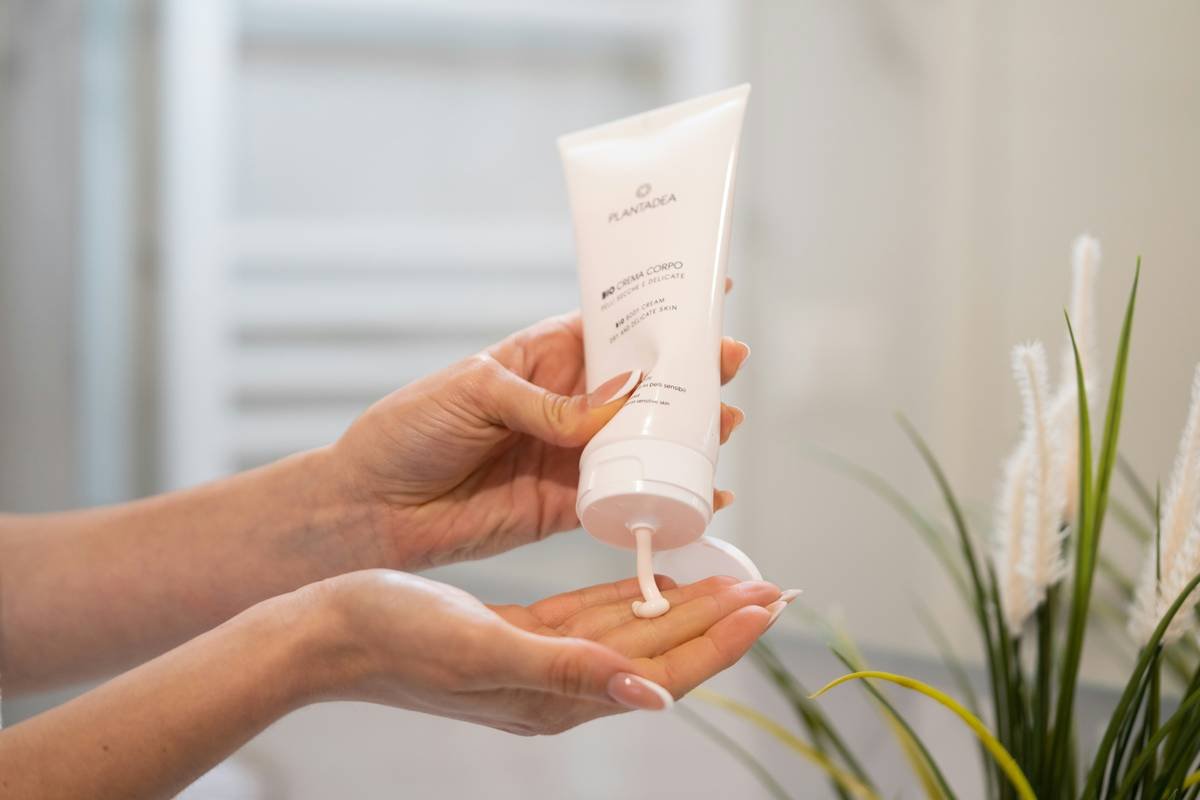
Applying nail oil isn’t just a “dab-and-go” move. Done right, it’s a 45-second ritual that rebuilds your nail’s lipid barrier. Here’s the method I’ve taught clients (and now swear by myself):
Step 1: Apply to CLEAN, DRY Nails
Oil won’t penetrate over dirt, polish residue, or hand cream. Wash hands, pat dry, and wait 30 seconds before applying.
Step 2: Target Three Zones
- Cuticles: Massage in circular motions to boost circulation.
- Nail Plate: Spread oil across the entire surface—yes, even under polish! (Most quality oils are non-staining.)
- Hyponychium (the skin under your nail tip): This often-neglected area prevents pathogens from entering. Don’t skip it.
Step 3: Time It Right
Best times to apply:
- Morning (before typing/commuting)
- After every hand wash
- Night (while watching TikTok—hydration while doomscrolling counts!)
Optimist You: “Just two applications a day!”
Grumpy You: “Ugh, fine—but only if it smells like vanilla latte and doesn’t make my keyboard greasy.”
5 Best Practices for Maximum Hydration & Strength
Not all nail oils deliver. Avoid these rookie mistakes—and adopt these pro habits:
- Pick Penetration Over Scent: Skip glittery, fragranced oils. Look for jojoba (mimics skin sebum), squalane (lightweight hydration), and vitamin E (antioxidant protection). A 2021 study in the Journal of Cosmetic Dermatology found these ingredients increased nail elasticity by 37% in 28 days.
- Ditch the Dropper for a Precision Brush: Spill-proof, targeted application = no oily phone screens.
- Never Use Cooking Oils: Olive or coconut oil might seem “natural,” but their large molecules can’t penetrate the nail plate—and may feed fungal growth.
- Pair with Gloves: Wear cotton-lined rubber gloves for dishwashing or cleaning. Water + detergents = nail kryptonite.
- Reapply After Hand Sanitizer: Alcohol strips natural oils. Counteract it immediately.
⚠️ Terrible Tip Alert
“Just rub lotion on your nails!” Nope. Lotions are water-based and evaporate fast. They hydrate skin, not nails. Save your $22 Kiehl’s for your elbows.
Real Results: From Peeling Nightmare to Glass-Like Nails
Meet Lena R., a nurse and frequent reader of our newsletter. She emailed us last fall: “My nails split constantly from glove changes and sanitizer. I tried everything—even biotin supplements (which gave me acne!).”
We sent her a dermatologist-recommended nail maintenance oil high in squalane and jojoba. Her instructions: apply AM/PM + after every hand wash during shifts.
Results at 21 days:
- Zero new splits
- Cuticles stopped bleeding during glove removal
- Nail growth appeared 20% faster (likely due to reduced breakage)
Her words: “It’s like giving my nails a drink of water instead of misting them with a spray bottle.”
FAQs About Nail Maintenance Oil
Is nail maintenance oil the same as cuticle oil?
No. Cuticle oil focuses only on the eponychium (the skin at the nail base). Nail maintenance oil is formulated to nourish the entire nail unit—including the plate, bed, and hyponychium—for structural integrity.
How often should I apply nail maintenance oil?
Twice daily minimum (morning/night). For damaged nails, apply after every hand wash. Consistency beats quantity.
Can I use it over gel or regular polish?
Yes! Most quality oils won’t lift polish. In fact, they prevent polish from chipping by keeping the nail flexible.
Does it help with nail ridges?
It won’t erase vertical ridges (often genetic or age-related), but it prevents them from cracking or catching on fabrics.
What’s the best nail maintenance oil for sensitive skin?
Choose fragrance-free formulas with jojoba and squalane—both non-comedogenic and hypoallergenic. Avoid essential oils if you’re prone to contact dermatitis.
Final Thoughts
Nail maintenance oil isn’t a luxury—it’s damage control for modern life. Between handwashing, typing, and seasonal dryness, your nails are under constant assault. A targeted oil replenishes lost lipids, seals micro-cracks, and builds resilience from within.
Start tonight: cleanse, apply, massage. In three weeks, you’ll file less, peel less, and finally understand why your manicurist keeps whispering, “You’ve been using oil, haven’t you?”
Rant Section: Why do brands slap “nourishing” on bottles filled with 90% mineral oil? Mineral oil sits on top like plastic wrap—it doesn’t feed your nails. Stop greenwashing my keratin!
Easter Egg Haiku:
Peeling nails weep—
oil sinks deep where water fled.
Glass tips rise again.