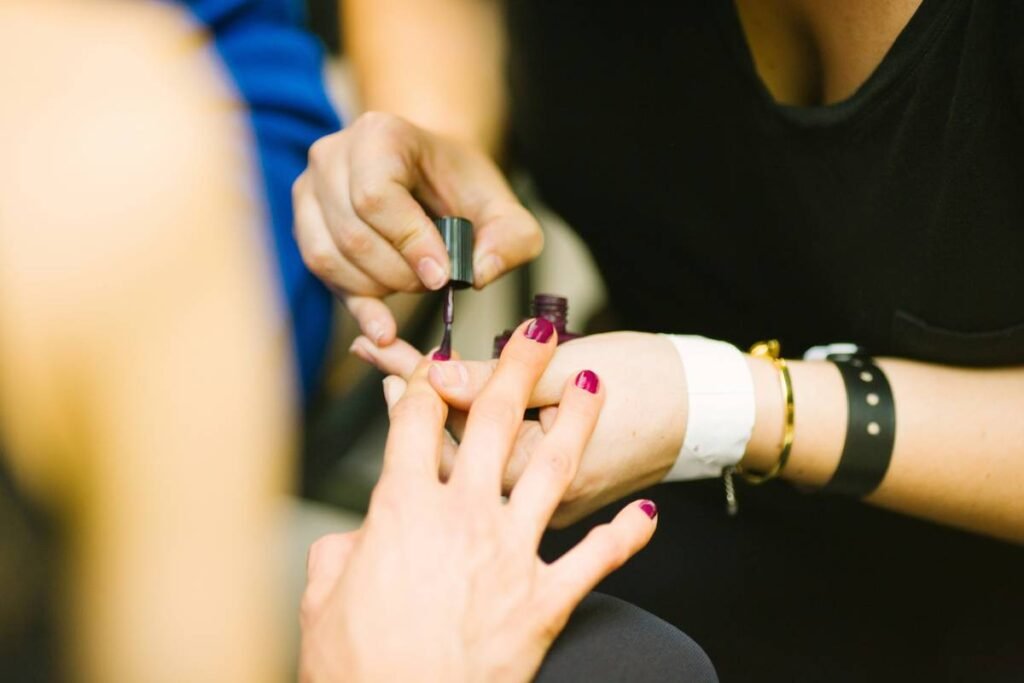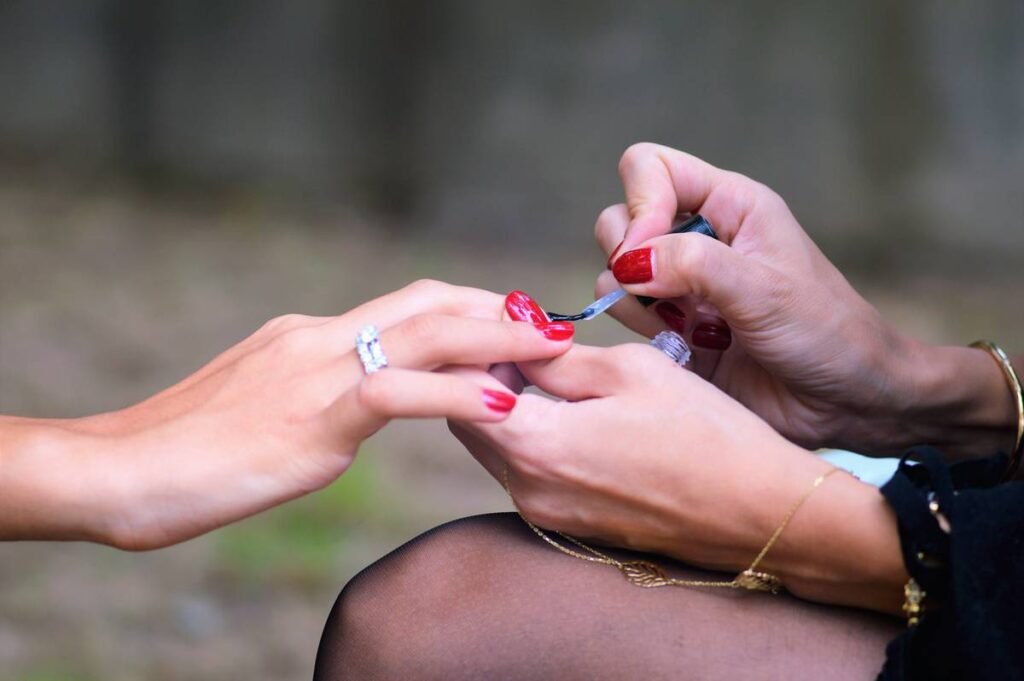
Brittle, peeling, splitting—sound familiar? You’ve tried base coats, vitamins, even DIY oil soaks. Nothing sticks. The frustration is real. But what if the issue isn’t your habits—it’s the products lying to you? Enter nail strength gel: not just another glossy promise, but a bio-adaptive shield that rebuilds from within.
The Myth of “Just Moisturize” and Why Most Nail Care Fails
Here’s the reality: hydration alone won’t stop breakage. Nails aren’t sponges—they’re keratin composites. Slathering on almond oil might feel luxurious, but it doesn’t reinforce structure. And those “strengthening” polishes? Often just formaldehyde-laced hardeners that dehydrate over time—creating brittle nails that snap like dry twigs.
Think about it. If moisture were the fix, salon techs wouldn’t wear gloves during long manicures. Yet their nails stay resilient. Why? Because they use cross-linking polymers—not moisturizers—to mimic natural nail integrity.
How to Use a Nail Strength Gel for Real, Lasting Results
Forget guesswork. This isn’t about slapping on product nightly and hoping. It’s precision layering with biological intent. Follow this protocol:
Cleanse Without Compromise
Start with 70% isopropyl alcohol—not acetone. Acetone strips natural oils needed for gel adhesion. Alcohol disinfects without wrecking the nail plate’s lipid barrier.
Apply Thin, Not Thick
Heavy layers trap moisture underneath, fostering fungal growth and lifting. A single sheer coat—cured or air-dried depending on formula—is optimal. Less is more.
Timing Matters More Than Frequency
Use your nail strength gel right after showering. Warm water temporarily opens nail plate pores. That’s your 90-second window to penetrate deeper.

| Method | Time to See Results | Cost (Monthly) | Risk of Damage |
|---|---|---|---|
| Nail strength gel (bio-adaptive formula) | 7–14 days | $12–$18 | Very low |
| Formaldehyde-based hardeners | 3–5 days (temporary) | $8–$15 | High (causes brittleness) |
| Daily oil soaks | 4–6 weeks (minimal structural gain) | $5–$10 | None—but ineffective for breakage |
| Oral biotin supplements | 8–12 weeks | $6–$20 | Low—but only helps if deficient |
Don’t Skip the Cuticle Seal
Seal the lunula area with a drop of jojoba oil post-application. This prevents micro-cracks at the nail matrix—the birthplace of new growth.
The Industry Secret: Not All Gels Are Created Equal
Most brands use methacrylate monomers that sit on top of the nail—like plastic wrap over glass. They look strong until they peel off in one piece. The real breakthrough? Hydrogel-infused formulas with hydroxyethyl methacrylate (HEMA) and calcium pantothenate. These don’t coat—they integrate.
Here’s what labs won’t tell you: nails absorb ions. A quality nail strength gel leverages that. It delivers bioavailable calcium and panthenol directly into the nail bed during the hydration phase. The result? Flexibility plus hardness—the holy grail.
But—and this is critical—you must avoid gels with triethanolamine. It raises pH, weakening disulfide bonds in keratin. Check labels. If it’s there, walk away.
Frequently Asked Questions
Can nail strength gel replace base coat?
Yes—if it’s formulated for daily use without UV curing. Avoid using builder gels as daily strengtheners; they’re too rigid.
How often should I apply nail strength gel?
Every 2–3 days for maintenance. Daily only during the first week of repair. Overuse can cause buildup and inhibit natural respiration.
Does nail strength gel work on bitten or damaged nails?
Absolutely. In fact, it’s most effective on compromised nails. Look for formulas with allantoin to soothe irritated nail folds while rebuilding.